First birthday gift list for relatives who keep asking
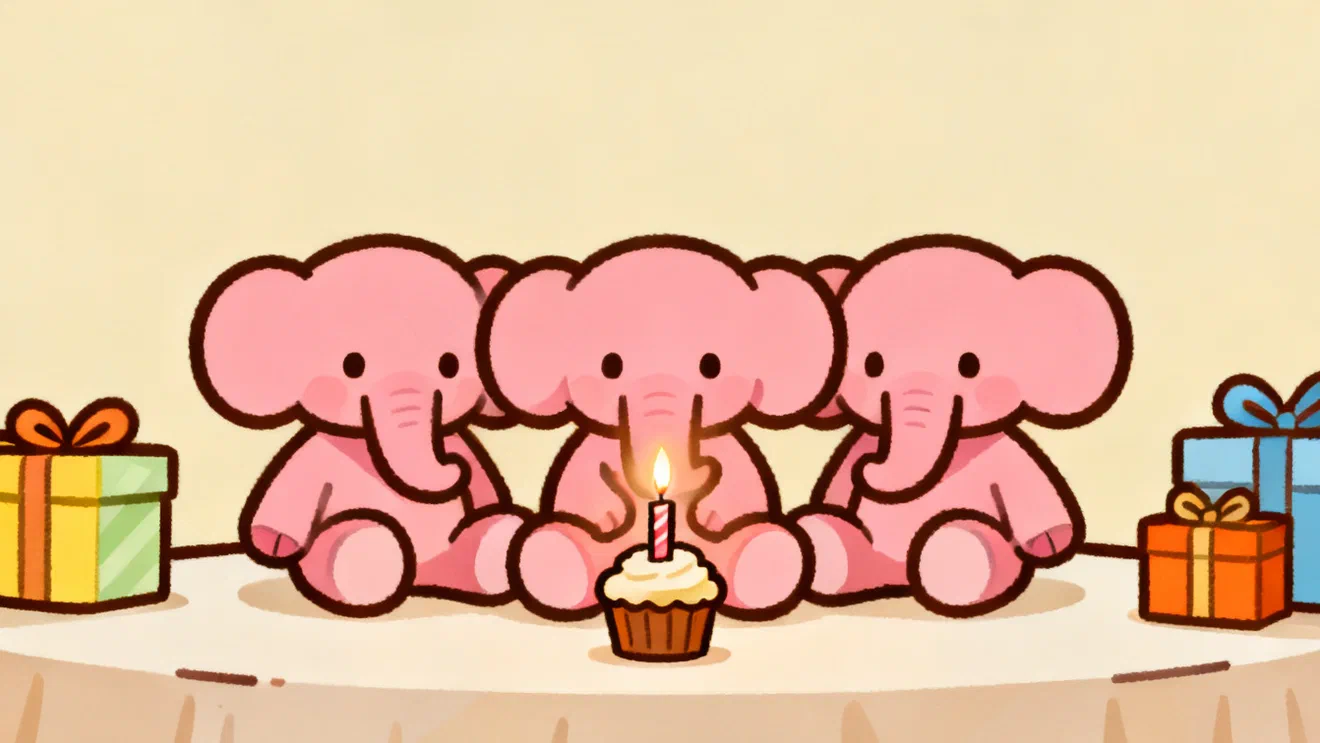
A first birthday gift list is short. One big thing, four or five small useful things, and one polite line about what you do not need. You send it to the relatives who ask, and you send it early, before the big thing lands in someone’s cart as a guess. The baby will not remember any of it. The list is for the adults, so that the grandparents, the aunt and the friend from swim class do not all show up with the same stuffed elephant.
Why a first birthday gift list at all
Every thread I have read about first birthdays goes the same way. The parent asks what to get, twenty people answer, and the answers split into two camps. One camp says “a book, they will not remember it anyway”. The other camp says “the play couch, the climbing triangle, the wooden ride-on, the thing that lasts three years”. Both camps are right. The problem is what happens at the party.
Small gifts are safe, so everyone brings a small gift. Three plush toys, two rattles, four board books, one of them a duplicate. The big thing, the one you would actually love, does not get bought. Nobody wants to guess wrong on a $200 item, and nobody knows that someone else was thinking the same thing. So the safe pile grows and the swing stays in the shop.
A list fixes exactly that. Not because relatives need to be told what to buy, but because they need to know that the big thing is wanted, and that nobody else has it covered yet.
What goes on the list
Keep it to six to eight items. Fewer reads as an order, more is a chore for a grandmother scrolling on her phone.
One big thing. The item that lasts years and that nobody buys unprompted. A play couch, a Pikler triangle, a balance bike for later, a wooden kitchen. Put it first. Write next to it that it is fine as a group gift. Most relatives are relieved to chip in on one real thing instead of hunting for a fourth small one.
Things you are short on. Clothes in the next size, not the current one. Pajamas for 18-24 months, a rain jacket, shoes once the kid is walking. These are the gifts parents are quietly grateful for and nobody thinks to give.
Books, with names. “Books” on a list gets you five copies of the same bestseller. Two or three specific titles, or a series you are collecting, gets you books you did not already have.
Consumables. Bath crayons, bubbles, snack cups, a bigger water bottle. Cheap, used up within a month, no shelf needed. This is the safe pick for the relative who wants to spend $15 and be done.
One experience. A zoo or aquarium membership, a term of swim lessons, a music class. Grandparents especially like this one, because it comes with a reason to visit.
I would not put anything on the list that you are not actually happy to receive. A “filler” item that you added to make the list look balanced will be the one that gets bought.
The line about what not to bring
This is the part most people skip because it feels rude, and then they spend the week after the party finding homes for stuffed animals.
One sentence is enough, and it works best when it is about the house, not about the giver. “We are out of room for plush toys and anything with a speaker, so please skip those.” Nobody argues with a small apartment. Compare that with “no noisy toys please”, which reads as a rule and makes people feel judged for the one they already bought.
If you truly do not want more things, say what you want instead of what you do not want. “Honestly the best gift is a contribution to the play couch” lands better than “no gifts”.
How to send it without feeling awkward
The awkwardness comes from sending a list to people who did not ask. So do not. Wait for the question, and it will come, usually in the family chat three weeks out. “What does he need?” That message is the permission slip. Reply with the link and one line, something like “Made a short list so nobody doubles up, ignore it if you already have an idea.”
For the party invitation, keep it optional and keep it small. A line at the bottom, “gift ideas here if useful”, is the whole thing. Nobody is offended by a link they can skip.
A few things that make the send go smoothly:
- One link, not a spreadsheet. A shared doc with columns is homework. A page with pictures and prices is a shop window.
- The parent keeps the list. The kid is one. You add things, relatives look, and the list stays yours after the birthday, so it is already half full when Christmas comes. I wrote about why one list per person beats one list per occasion in how to make a wishlist your family will actually use .
- Let people claim things quietly. This is the difference between a list and a wish. If grandma can mark the play couch as hers without you seeing it, nobody else buys a second one, and you still open it without knowing. If claims are visible to you, half the point is gone. If there are no claims, you are back to duplicates.
When the list is for a party with other people’s kids
The joint party is where lists get tricky. Four kids, one venue, and half the guests know only one of the birthday children. If you are hosting, put the expectation in the invitation. “Bring something for the child you know” or “small things for all four, under $10 each” saves every guest a quiet panic. If you are the guest and the invitation says nothing, ask the host. She knows what the other parents expect, and a $20-30 gift for the kid you know plus a book for the ones you do not is fine everywhere I have seen it discussed.
What to do with the gifts that come anyway
Some will. The colleague who did not see the list, the great-uncle who does not do links, the friend who saw the perfect thing and could not resist. Say thank you and mean it. A list is a guide for people who wanted one, not a contract for people who did not.
Duplicates can be exchanged or passed along to the next first birthday on your calendar. Nobody at a one-year-old’s party is counting who brought what, and the child in question is mostly interested in the wrapping paper.
The list did its job if the big thing got bought once, the small things did not repeat, and the conversation about presents happened in the family chat before the party instead of in your hallway after it.