Gifts for someone very particular. Stop guessing
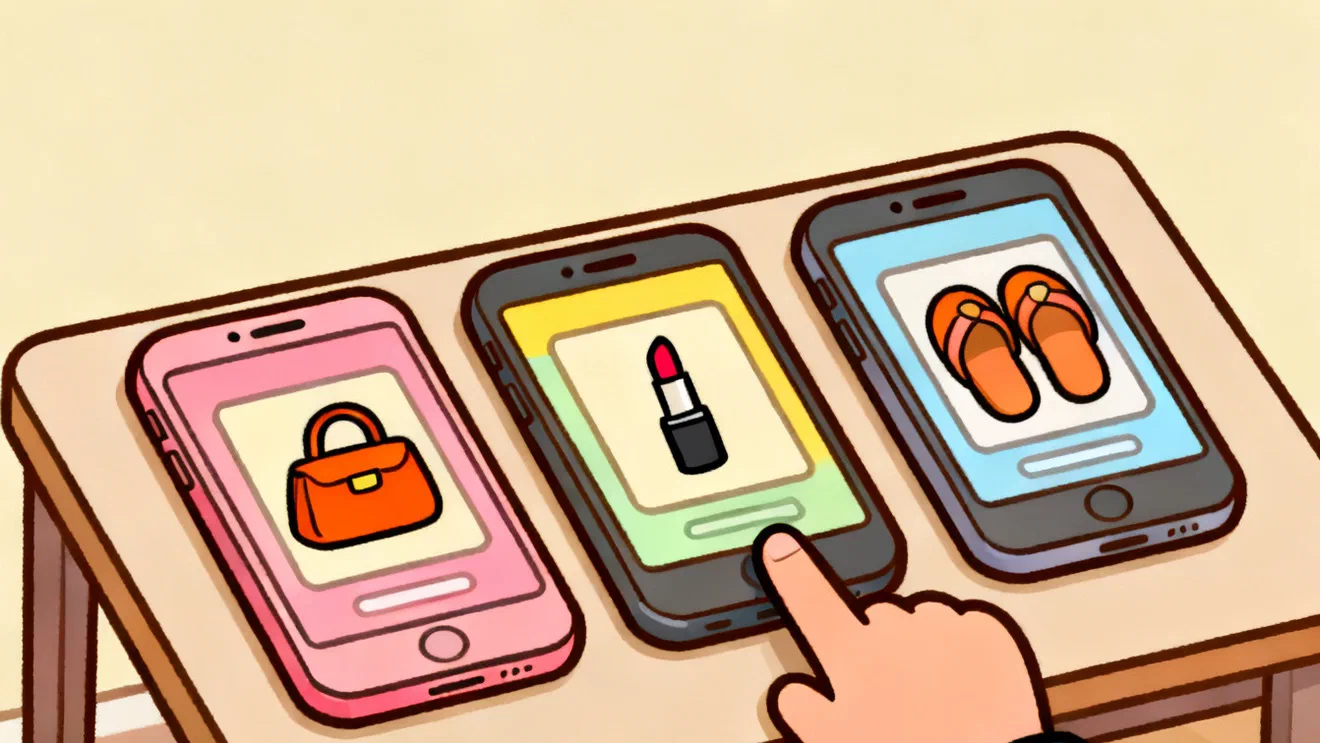
The right gift for a picky person is the exact thing they already want, bought in the exact version they want it in. Not a better one, not a similar one, not your interpretation of their taste. That means you have to find out what the thing is, and the only reliable way to find out is to ask for links. Three of them. Then buy one. Everything else in this piece is about how to ask without it sounding like you are taking an order, and what to do when you cannot ask at all.
I know how this reads. Asking feels like admitting you do not know the person. But with someone particular, guessing is not the alternative to asking. It is the alternative to getting it right.
Why a gift for a picky person is different
A mother on r/GiftIdeas this September was buying for her son’s girlfriend, twenty, “very particular”, into Sephora and Coach and Starbucks. They had done gift cards. Budget was $75-100. The top replies were a specific brand of slippers, a specific brand of leggings and a custom lipstick. Every one of those is a coin flip, and the coin is weighted against you.
Here is why. A person who is easy to buy for has a wide target. They like cooking, so a nice pan lands. A particular person has the same interests but a narrow target inside each one. They like skincare, but one brand, one line, one texture, and they already own the one they use. You cannot hit a target that narrow from the outside, and a near miss for a particular person is worse than a miss. It is the thing they would have bought if they were slightly different, which they are not.
That is what “we’ve done gift cards” means in that thread. Not that the cards failed. They probably went down fine. It means the giver felt they gave up, and wants to feel like they chose something this year. The good news is that you can choose something and still be right, as long as the person told you what it is.
Ask for three links, not for ideas
The ask that works is small and specific. Not “what do you want”, which puts a price question on the other person and gets you “oh, anything”. Not “what are you into”, which you already know and which got you here. Ask for links.
I want to get you something you’ll actually use and I’d rather not guess. Can you send me three things you’ve had your eye on, any price? I’ll pick one.
Three, because one is an order and ten is homework. “Any price” because a particular person will otherwise send you things they think are cheap enough to be polite, and you want the real list. “I’ll pick one” because it keeps the surprise. They know the shortlist, not the item. I wrote about why that is still a surprise in the piece on wishlists and surprise , and the short version is that nobody feels spoiled by getting one of three things they wanted.
If asking directly feels too much for the relationship, go through the person in the middle. The son, in that case. “Has she mentioned anything she wants lately, a link would be perfect.” A son who lives with someone particular has heard about the thing. He just has not been asked.
The one thing not to do is ask and then go off the list. You have told the person you are buying from their answer, and then you buy something adjacent because you had a better idea. With a particular person there is no better idea. There is the thing, and there is not the thing.
Buy the exact thing, not the better version
This is the rule that separates buying for particular people from buying for everyone else. When a normal person sends you a link to a $40 bag, you can get the nicer $70 one from the same brand and they will be delighted. When a particular person sends you a link to a $40 bag, buy the $40 bag. Same color. Same size. Same edition, if editions exist.
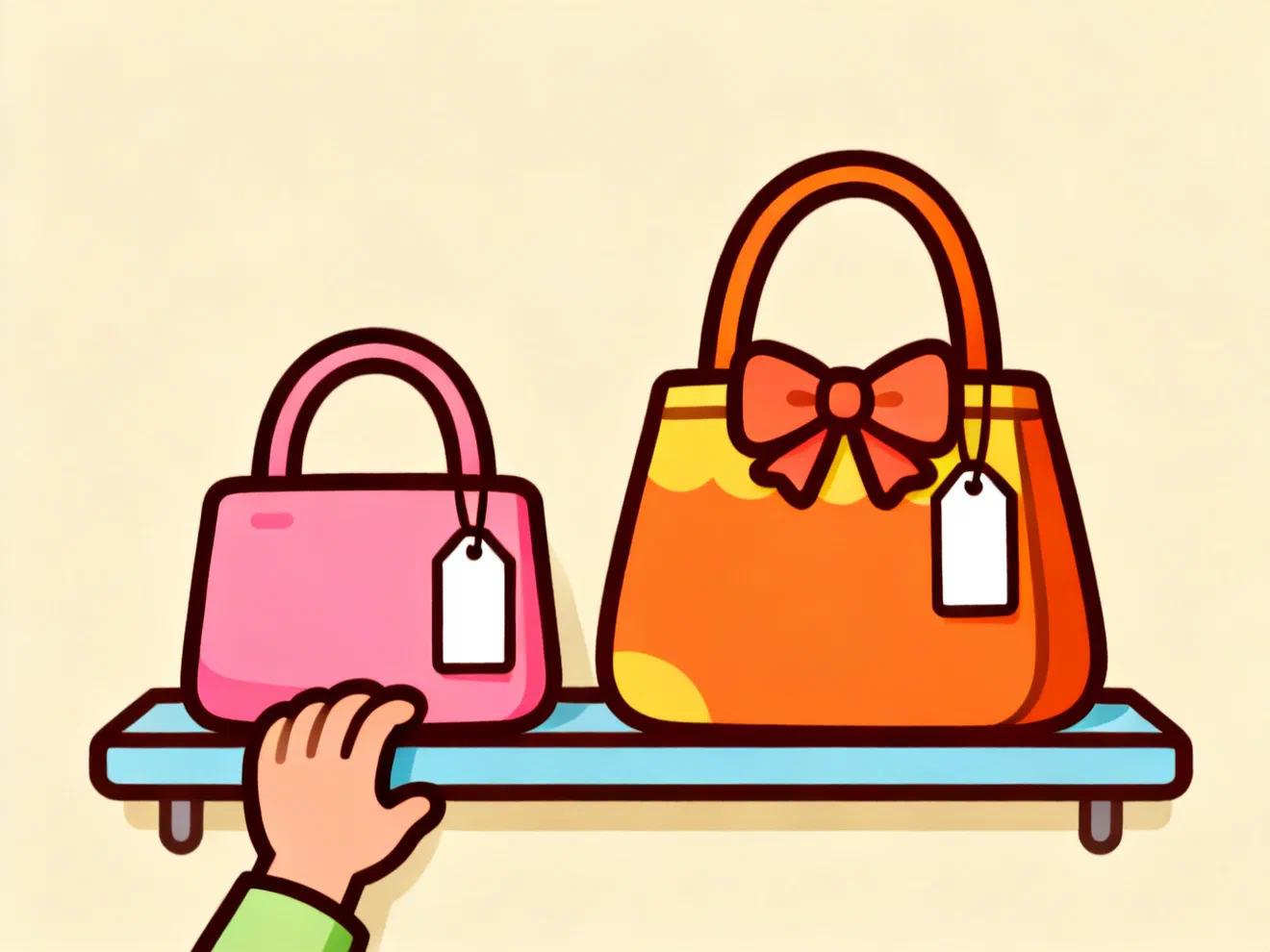
The urge to upgrade comes from a good place. You want the gift to feel like more than a transaction, so you add your own taste to it. But their taste is the whole reason they chose that one. The nicer bag is nicer to you. To them it is a bag they looked at and rejected, and now they own it and have to say thank you.
The same goes for “similar”. If the link is to a specific shade of lipstick and it is sold out, do not get the next shade. Get the gift card for that store and say in the card that the shade was sold out and you would rather they got the right one. A particular person respects that more than a guess.
When a gift card is the right answer
Gift cards feel like giving up because usually they are. You did not know, you did not ask, you handed over money with a store name on it. But there are two cases where the card is the thoughtful choice, and both come up with particular people.
The first is when the answer to “what do you want” is a brand and a size. Leggings from one brand, in a size you would have to guess. Skincare from one store, where the line matters and you cannot tell the lines apart. A card for that exact store is not a shrug. It is the correct tool for a thing you cannot pick without them.
The second is when they say nothing at all. Some particular people will not send links, because they feel it is rude to ask for things, or because they genuinely want to be surprised and also want it to be right, which is a hard combination. For those, a card for the one store you know they love, plus something small and consumable you chose yourself, gets you both. The card is the gift. The small thing is where you show you paid attention. A coffee from the exact chain they go to every morning, not an artisan alternative you think is better.
I have a friend who says she wants nothing and means it, and the strategies for that are different. That is its own piece. The particular person is not saying nothing. They are saying “the right thing or nothing”, and that is a much easier brief once you stop hearing it as a challenge.
How to make asking normal, not awkward
Asking once feels like admitting defeat. Asking every year feels like a system, and systems are not awkward. So make it a system.
Ask in the same way each time, a month out, with the same wording. “Birthday’s coming, send me three links.” After the second year nobody thinks about it. The particular person starts keeping the links ready because they know the question is coming, and the person you dreaded buying for becomes the easiest one on the list.
The tidier version of the same thing is a shared list they keep themselves. A wishstack they add to when they see something, that you open when the date comes round, where whatever you take gets marked so the other relatives do not take it too. They never see who took what. That is the same three links without the text message. It does not work for the sort who refuses to keep a list at all, and for them you are back to asking, which is fine.
Whether a list is rude depends on who starts. I went through that in is it rude to send a wishlist , and the rule is simple. Asked for, it is a kindness. Unprompted, it is a demand. You are the one asking, so you are safe.
The son’s girlfriend, answered
Ask the son first, this week, for one link. If he comes back with nothing, ask her directly with the three-links wording, and mean the “any price”. Buy exactly what comes back, in the exact version. If what comes back is a brand and a size, buy the card for that brand and add one small thing from the coffee chain she actually goes to.
And if all of that produces nothing, the card again is not a failure. It is the correct answer to a question the other person declined to help with, and a particular person will spend it well, which is more than most guesses can say.