Going off the wishlist. When it works and when it backfires
You can buy off the wishlist when the thing you have in mind is not competing with anything on it. That is the whole rule. A consumable, an experience, a small add-on to something they listed, or the specific thing they mentioned out loud last month, all fine. A different version of a list item, or anything in a category the list already covers, and you have bought a duplicate with extra steps. The list told you what they want. Going off it is safe exactly where the list is silent, and risky exactly where it speaks.
I have been on both ends of this. I once got a nicer version of the headphones on my list and returned them, feeling like a jerk, because the listed ones fit the stand I already owned. And I have gone off-list for other people and had it land better than anything they asked for. The difference was never how well I knew them. It was whether I was replacing a list item or adding to it.
Why people want to buy off the wishlist at all
Because a list can feel like a shopping order, and nobody wants to be the person who just processed it. I wrote about that feeling in the surprise piece , and the short version is that the list does not take the surprise away, it takes the guessing away. Those are different things. But the urge to add something of your own is real and mostly good. The trick is pointing it at the right kind of thing.
Someone on r/GiftIdeas this September had been sent a link to a hair curler by the person whose birthday it was and could not tell if it was a hint or just a “look at this”. And then a second question underneath the first. If it was a hint, should they buy that exact one or a better one? The hint half I will get to. The “better one” half is the most common way going off-list goes wrong.
Three cases where it works
They said it out loud and did not write it down. The thing they mentioned in passing in July, the book they said they kept meaning to read, the kitchen knife they complained about being blunt. This is off the written list but on the real one. It is the best gift you can give, because it proves you were listening. The only check is whether it has been bought since, because a thing wanted badly enough to mention may have been solved by now.
It gets used up or happens once. Good coffee, a bottle of something, a meal, tickets, a class. Nothing on a wishlist competes with a dinner. Nothing gets returned because there was already one in the cupboard. The one caveat is scale. A dinner for two is a gift. A weekend away is a plan, and plans need the other person’s calendar.
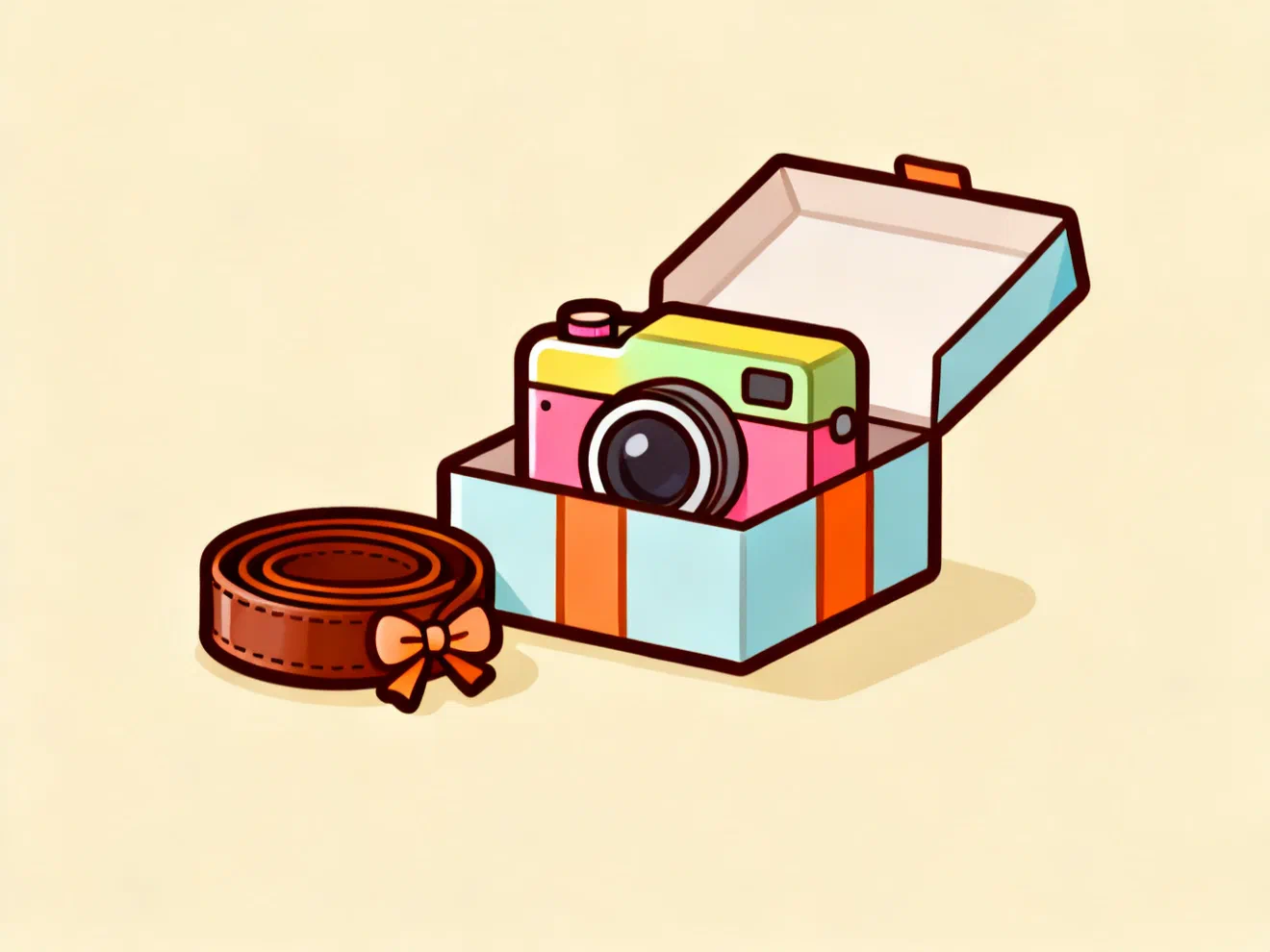
It goes with something on the list. They listed a camera, you get the strap. They listed running shoes, you get the good socks. They listed a board game, you get the expansion. This is off-list in letter and on-list in spirit, and it works because the list already told you the category is wanted.
Two cases where it backfires
The better version. This is the curler question. They linked a specific model and you found one with more settings, better reviews, a nicer color. Do not. The specific model is on the list for a reason you cannot see from the product page. It fits the thing they already own. It is the one their friend has and swears by. It is the one they can afford to replace the attachments for. The “better” one is better on paper and wrong in the drawer. If the list says a model, buy the model. If they wrote “or similar”, they mean it, and you can pick. If they did not, they did not.
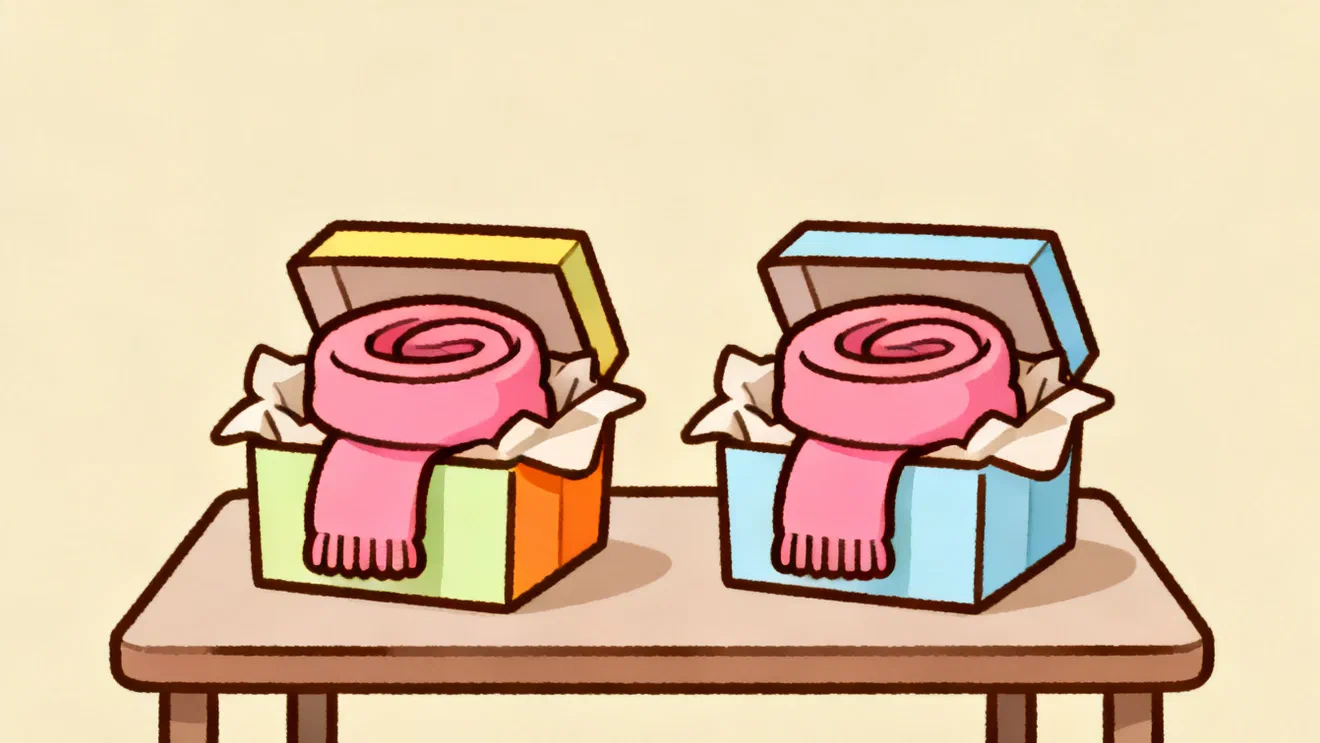
Anything in a category the list covers. They listed a wool scarf. You know a nicer scarf. You buy your scarf, someone else buys the list scarf, and now there are two scarves and one neck. The same goes for headphones, mugs, candles, anything where the list has already spoken. When a list names a category, the category is taken. Your addition is not a surprise, it is a second entry in a race that already had a winner.
This is also why duplicates happen even when everyone has the list. Two people go off-list in the same direction, or one person buys the list item and another buys the “better” one. On a shared wishstack, whoever takes an item marks it quietly, so the second person sees it is gone before they order the upgrade. It does not stop someone buying a third scarf out of pure enthusiasm. It stops the common case, which is two people being thoughtful about the same thing.
The exact model or the upgrade
Exact. Every time, unless the list says otherwise. I know the upgrade feels like generosity. From the receiving end it feels like being overruled. They chose a thing. You decided you knew better. Even when you did know better, and sometimes you do, the gift now comes with a small correction attached.
If you genuinely think the listed one is a mistake, the cheap one that breaks, the model that was replaced last year, say so before you buy. “I saw the one you listed has a newer version, want that instead?” takes ten seconds and turns your judgment into a conversation instead of a surprise. Most people say yes. The ones who say no had a reason.
Is a link a hint
Back to the curler. Someone sent a link. Was it a hint? Almost always, yes, and almost always not quite as directly as the sender hoped. People send links because asking outright feels greedy. The link is the socially acceptable form of “I want this”. If it arrived in the month before a birthday, treat it as a list item. If it arrived in March with “look at this nonsense”, it was not.
The receiver in that thread was stuck because the hint had no context, and that is a list problem, not a hint problem. A link on its own is a puzzle. A link with one line next to it, “this one exactly, the pink one is out of stock everywhere”, is a gift with the decision already made. I have written about what to say when family asks what you want for Christmas , and the same idea holds here. A hint with a sentence attached is a hint that gets bought right.
If you are the one with the list
Two things make off-list easy for the people buying for you.
One line at the top. “Surprises very welcome, this is just so nobody has to guess.” Now the person who wants to go off-list has permission, and the person who wants to follow the list can. Without the line, half your relatives assume the list is a fence.
A note per item. Why you want it, whether the model matters, whether “or similar” is fine. “Any of these three colors.” “Exactly this one, it fits the old base.” “Just an example, anything like it.” Those notes are the difference between a list people can improvise around and a list people are afraid of. They also answer the upgrade question before it is asked.
And accept that some off-list gifts will be wrong. The person who went off-list took a risk with open eyes and it did not land. Return it without guilt. It is a birthday, not an exam.
Going off the list is not the brave choice or the lazy one. It is a good choice in the places the list left empty, and a bad one in the places the list already filled in.