How to tell grandparents what to buy without a fight
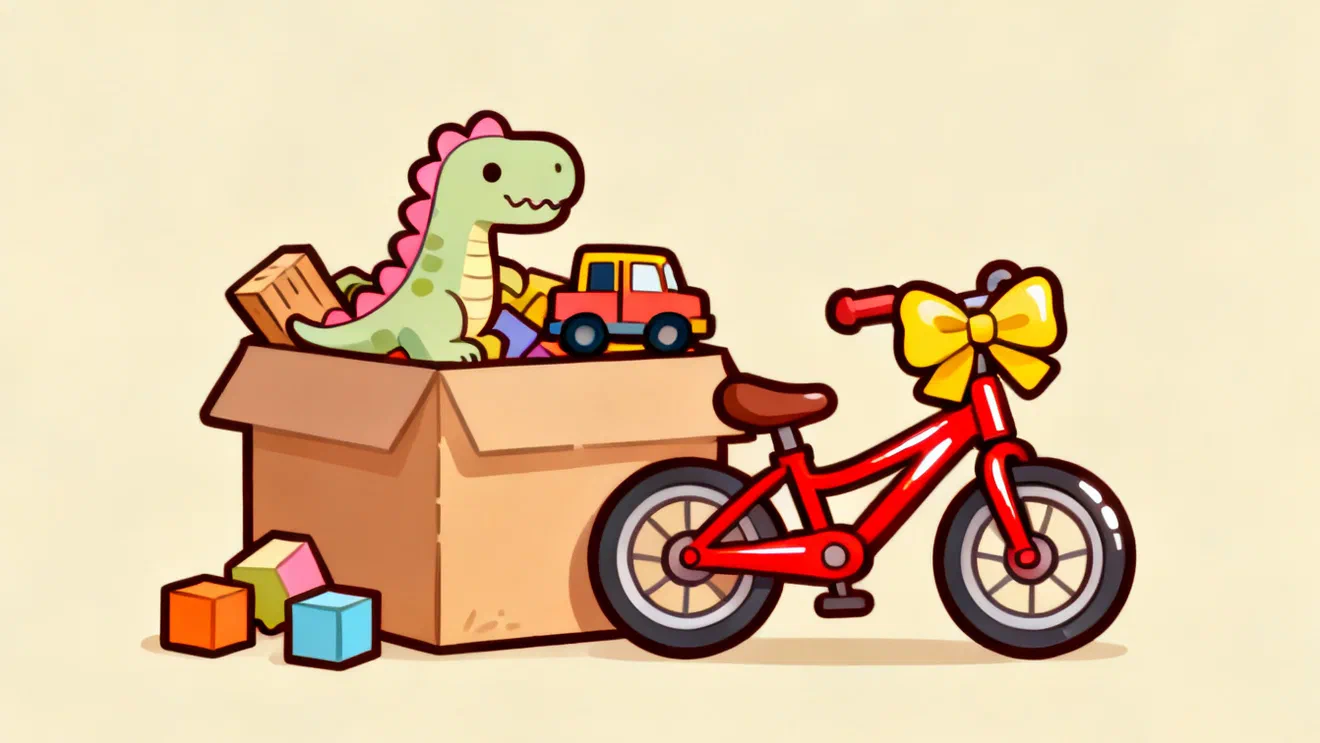
Ask them for something specific instead of asking them for less. That is the whole method, and it works because grandparents buying too many gifts are almost never trying to bury you in plastic. Gifts are how they say love, and “please stop buying” arrives at their end as “please stop loving her so loudly”. What does get through is a target. One shared gift list for the kid, one big thing with their name on it, a zoo pass that is “from Grandma” all year, and wording that asks for help rather than compliance. The rest of this is how to set that up, and what to do about the grandparent for whom none of it works.
Grandparents buying too many gifts is a language problem
Someone on r/Mommit described her house as drowning in stuff. Her mother-in-law floods it with toys and sweets for a three-year-old, she has asked her to stop several times, and it continues. Nearly sixty comments, and a lot of them were some version of “mine agreed and then did it anyway”.
I do not think that is dishonesty. The request never landed as a request about stuff. When you say “we have too many toys”, a grandparent who grew up with less, or who sees the kid less often than she would like, hears “your way of loving my child is a problem”. Nobody changes behavior in response to that. They agree because arguing feels worse, and the next time a plush dinosaur is on sale the love wins, because the love was never what you were negotiating with.
There is a second thing underneath. Buying is fun for them. Picking the toy, wrapping it, watching the face. Take away the picking and they will route around your plan. So everything below leaves the choosing in their hands.
Redirect, do not restrict
“Don’t buy toys” is a restriction, and it gives the grandparent nothing to do with the impulse. “She has been asking for a bike since April, could you be the bike this year” is a redirect. Same money, same joy, and one bike instead of eleven small things you will trip over by February.
What makes redirecting stick is a single list for the kid that every relative sees, kept by you all year, with things she has actually asked for or that you know she will use. Grandparents open it, see six or eight real options at different prices, and pick. They still chose. You still got a thing that fits in the house. I wrote about why one list per person beats one list per occasion , and grandparents are the strongest argument for it, because they shop in March for a birthday in July.
A kid’s wishstack does this as one link. Both grandmothers open the same list without installing anything, they get a push when something new goes on it, and whoever decides to take the scooter can quietly mark “I’ll get this” so the other one does not buy a second scooter. The parent never sees who claimed what, which keeps it feeling like a gift instead of an order form. That is the part I built it for.
The one big thing
Most grandparents have a budget in their head, and it is bigger than you think. Left alone, it gets spent as fifteen things at $10-20 each, because each one felt small. Pool it instead. Ask them to take the single expensive item the kid actually wants, the bike, the play kitchen, the bunk bed, the tablet you had already decided to allow. Put their name on it. “The bike from Grandpa” is a sentence a kid repeats for years. Fifteen small toys do not get a name.
With several relatives, put the big thing at the top of the list and say it is fine as a group gift. I used the same move for a first birthday list and people are mostly relieved, because guessing right on a $200 item alone is scary and chipping in is not.
Experiences with their name on them
The second-best redirect is anything that happens rather than sits. A zoo or aquarium membership, a term of swimming lessons, the children’s museum pass, a monthly book subscription. They take up no room and they get mentioned all year. Every time you walk past the penguins it is “Grandma’s zoo”. The grandparent gets twelve months of credit instead of one afternoon.
Say that part out loud, because on its own a membership sounds boring to someone who wanted to wrap something. “She would talk about it every single visit” is the sentence that sells it. Then send a photo from the zoo. That photo is the receipt they wanted.
The box that lives at their house
Some overflow will come anyway, and some of it should. The fix for that is not a fight, it is geography. Ask the grandparents to keep a toy box at their place. The trains, the enormous dollhouse, the sweets, all of it lives there and is “the special toys at Grandma’s”. The kid gets a reason to look forward to visiting, the grandparent gets to buy things and watch them being played with, and your living room is not involved.
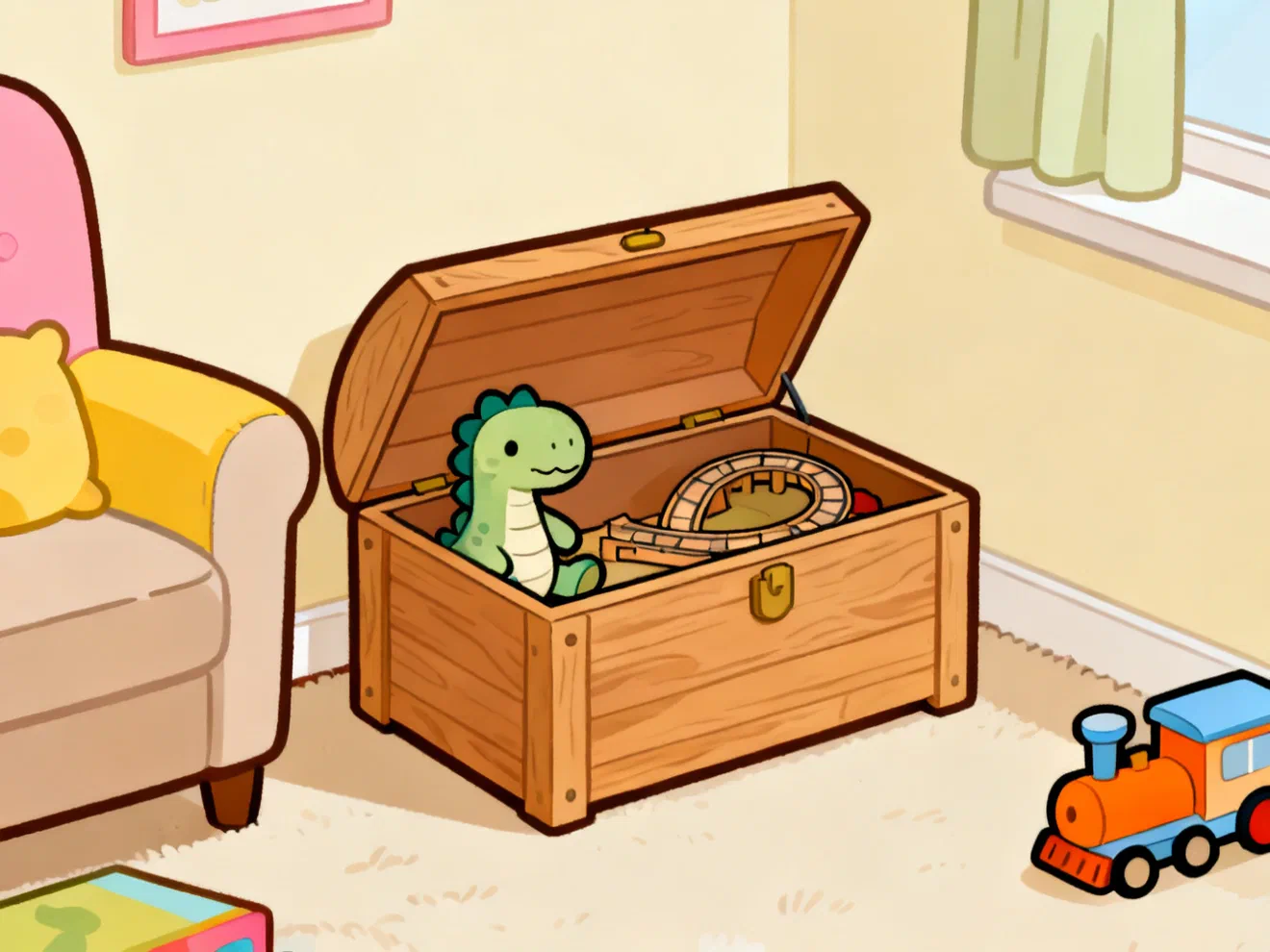
Frame it as a favor. “Could you keep some toys at yours so she has things to play with when she visits” gets a yes before you have finished the sentence.
Wording that does not sound like rules
None of this works delivered as policy. Grandparents have been parents longer than you have, and a list of conditions from their own child lands badly however reasonable it is.
Ask for help, not compliance. “Could you take the bike this year, it is the one thing she keeps asking for” puts them in the hero seat. “We are doing a no-plastic Christmas” is a rule, and rules invite quiet exceptions. Make it about the house and the kid, never about their judgment. “We are out of room” is true and nobody argues with a small apartment. “She does not need more toys” is an opinion about their gifts, and they will have one back.
Send the list when they ask. The “what does she want this year” text is your opening, and the answer is one link and one line. Nobody feels managed by a link they were allowed to ignore.
And say thank you for the things that arrive off-list, loudly, with a photo of the kid holding it. A grandparent who feels appreciated for the surprise will look at the list next time. One who feels corrected will not.
When nothing works
With some grandparents it does not matter what you do. The list is ignored, the box at their house fills up, and the packages keep coming to yours. The r/Mommit thread had those too. You asked, they agreed, the next visit came with three bags.
At that point I would stop trying to change them. The relationship is worth more than the clutter, and you will not win this one with a better script. What is left are the boring options, and they work fine. A quiet rotation (quiet meaning the grandparent never hears about it), where two thirds of the toys live in a closet and swap out monthly, so the kid sees less and plays more. Donating with the kid, out loud, as a normal thing a family does before every birthday and Christmas, which turns the overflow into a habit instead of a grudge. And letting it go. Toys get passed along. A three-year-old does not know she has too much, and a grandmother who is trying too hard is still trying.
The house will be full for a few years either way. The part you get to decide is whether the fullness comes with a fight attached, and with a target to aim at and a name on the big thing, most of the time it does not.