Secret Santa wishlist. What to put so your Santa relaxes
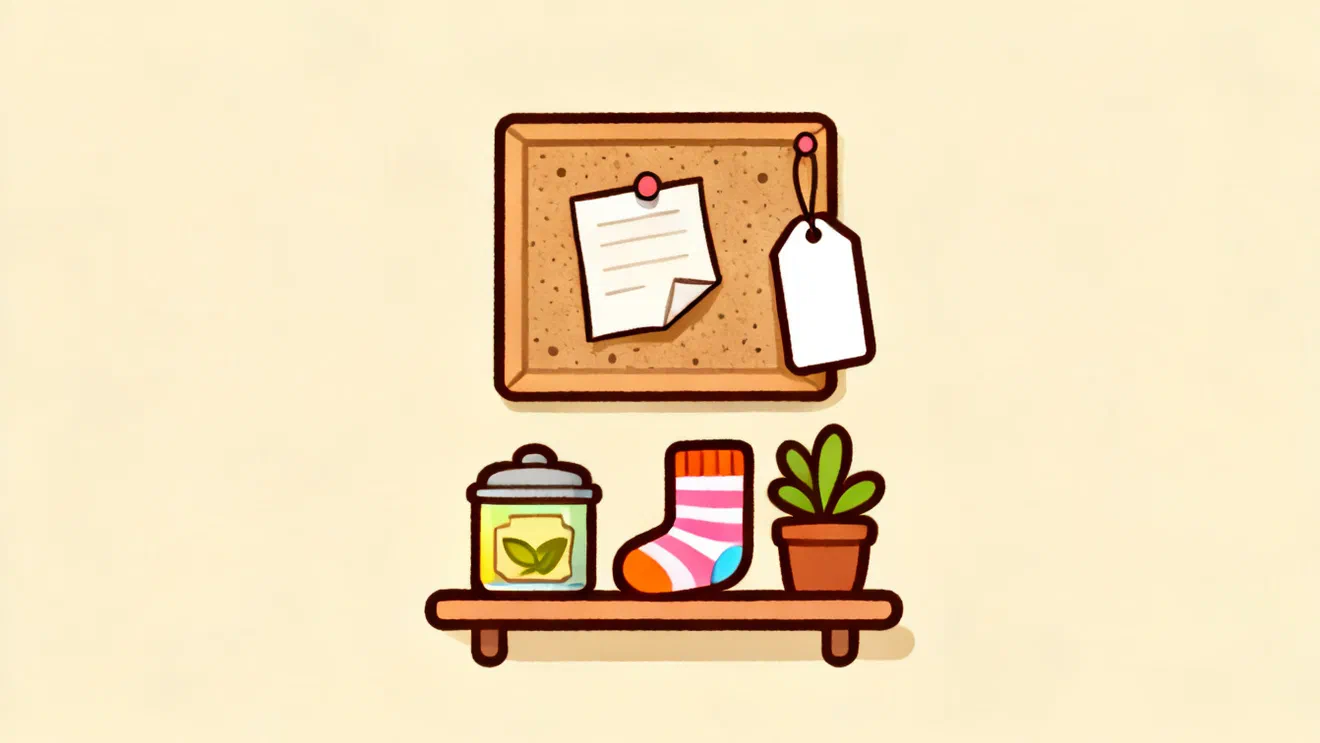
Put three to five things on it, every one inside the price limit with the price written next to it, one line of context per item, your size if anything needs a size, one thing you do not want, and one safe pick your Santa can grab in any shop on the last Saturday before the exchange. Most pages about Secret Santa wishlist ideas are written for the buyer, forty things to get for the coworker you drew. This one is for the other side, what to write on your own entry so whoever draws your name has an easy time. The list is not for you. It is for a person with $25, no idea what you like, and eleven days.
Secret Santa wishlist ideas, seen from the Santa’s side
Picture the person who pulled your name out of the hat. Four things are true about them. They have a fixed amount to spend. They know very little about you. They have a deadline in the busiest fortnight of the year. And they are quietly afraid of buying the wrong thing and watching you fake a smile in front of the team. A good entry answers all four.
The budget, so put the price on every item
If the limit is $20-30, every item on your wish list sits inside $20-30. Your Santa cannot ask what you meant. Write the price, or link to the exact product page so the price is right there. A $34 thing on a $30 list is not a hint, it is a small tax on someone who did not choose you.
The single expensive item is the trap. One $70 pair of headphones with “anything toward this” underneath looks generous and modest at once. A $25 Santa cannot buy a third of a pair of headphones, so their only move is to ignore your list and guess, which is exactly what the list was meant to prevent. Things above the limit go on your birthday list. The Secret Santa entry gets things that can be bought whole, spread across the band, so somebody who drew you in a tight month can take the $18 option and feel fine about it.
No clue about you, so give one line of context
Your Santa does not know you drink tea, does not know you run, does not know you moved into a flat with no oven mitts. One line per item fixes that. Not a paragraph. A sentence a stranger can act on.
- “A tin of loose leaf tea, anything but Earl Grey. I drink tea at my desk and I have no mug I like, so a mug works too.”
- “Running socks, US size 9-10. I go through a pair a month.”
- “A small plant that survives a north-facing window. I have killed two.”
The line tells the Santa why. And it makes you a person rather than a name. Half the stress in an office draw is that people are buying for a silhouette.
A deadline, so nothing that has to be ordered from abroad
Whatever you list should be buyable in the days between the draw and the exchange, by someone who will realistically start late. That rules out anything shipping from another country, anything custom, engraved or printed to order, anything sold out everywhere except one site you found once, and anything that needs your measurements taken first.
At least two of your items should be on a shelf in a normal shop near the office. Books, tea, socks, a decent notebook, hot sauce, a plant. Your Santa may well be buying on the way in on the morning of the party.
Fear of getting it wrong, so give them a safe pick
Every list needs one item that anyone can buy anywhere with zero taste required. A specific chocolate bar, the brand of coffee you actually drink, a book you have named, a gift card for the one shop you use every week. Mark it. “If in doubt, this one.” A nervous Santa takes it and is relieved. A confident one keeps it as the backstop.
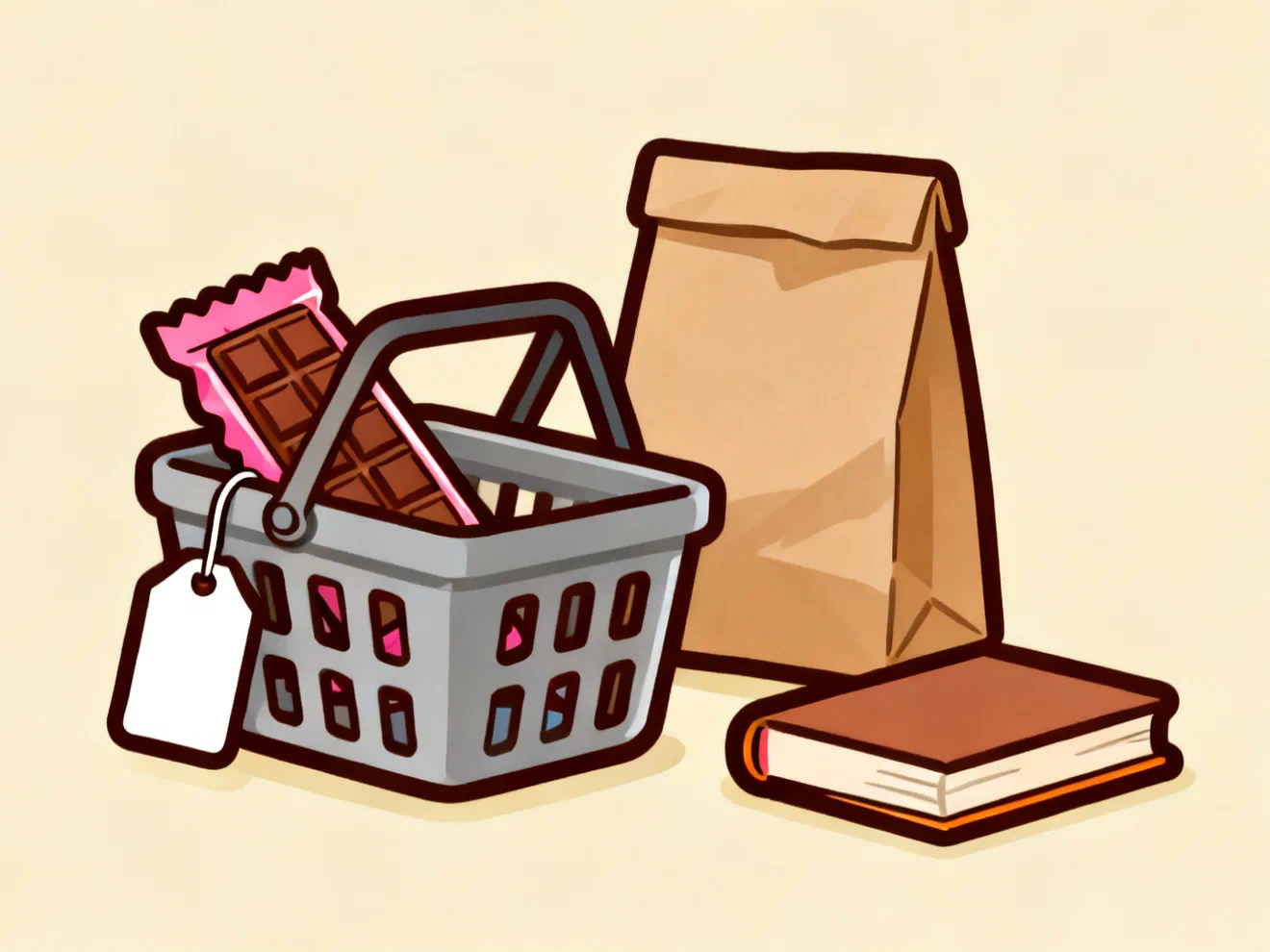
Then remove the ways to get it wrong. Sizes for anything wearable, in the sizing system your local shops use. The colors you like and the one you never wear. Allergies, including the ones people forget count, like nickel and fragrance. And a “do not” line at the end, plain, without apology. No candles. No alcohol. No mugs, I own eleven. Whatever applies to you. That one line takes the worst-case gift off the table.
How many items and what mix
Three to five. One item is a demand, and a demand your Santa may not be able to meet. Twenty is a catalog, and a catalog tells the Santa you did not do the work of choosing, so now they have to.
A mix that has worked for me is one consumable, one small useful thing, and one slightly fun thing. The consumable (coffee, tea, a good olive oil) is the safe pick in disguise, gets used up, and takes no space in your life. The useful thing is what you would have bought yourself next month anyway, the phone stand, the better umbrella. The fun thing is where your Santa gets to enjoy the job, a card game, a print, the book that made you laugh on a train.
The office where you barely know anyone
In a family exchange your Santa can quietly ask your sister. In an office of forty, some of whom joined in September, your entry is the only information your Santa will ever have about you. So write it for a stranger, every line above, including the blunt one.
The organizer should collect everyone’s entries in one place before the draw, so nobody has to quiz a colleague they have never spoken to without giving the game away. I keep mine as a wishstack, in the app I make. You paste links, each card fills itself in with the title, photo and price, and you hand over one link. The price on every card is what makes it work as a Secret Santa entry, because the Santa sees at a glance what fits the band. I am building a proper Secret Santa draw into it, with groups and a budget, but that part is not out yet.
And if the office has already been through a few collection envelopes this month , the Secret Santa is the one December thing that does not ask anyone for cash twice. A decent entry is your whole share of the work.
If you honestly want nothing
Say so, but do not leave it blank. A blank entry does not read as modesty from the Santa’s side. It reads as a dare. They still have to buy something, and now with no information at all.
Two things work. Name a charity and a rough amount inside the band, and say that a card with the receipt tucked in is the gift you would like. Or name a consumable you will genuinely use up, good coffee, the oranges you buy every week, the tea you drink at your desk. Both give your Santa a task they can finish in ten minutes. “Surprise me” does not.
The year I wrote “surprise me”
I did this once. The entry said “surprise me, anything is fine” because I was busy and it felt easygoing. I got a novelty mug. The mug was not the problem. The entry was, because I had handed someone with $25 nothing to work with. My Santa spent a lunch break looking at shelves, and landed on the one object that is safe for everyone and wanted by nobody. Since then my entry always has the do-not line, the safe pick, and the price. The rules of the exchange are the organizer’s job. Making yourself easy to draw is the only part that is yours.